Showing posts with label soricidae. Show all posts

Saturday, 1 November 2008

Asian House Shrew (Suncus murinus)

OTHER NAMES: House Shrew, Grey Musk Shrew, Money Shrew
Latin Etymology: Suncus (?) murinus ("mouse")

Adult Asian House Shrew (subspecies S. m. murinus) at Malacca, Malaysia - July 2016

Featured Subspecies: Surus murinus murinus
Weight: 50-100g  /  Length: 15cm
NO UK STATUS IUCN Red List: Least Concern

The Asian House Shrew is the largest of all the shrews - a species originally from the Indian Subcontinent and South-East Asia.   It has also however subsequently been introduced to various other locations including Madagascar, the Phillipines and various points along the East Coast of Africa.  As the name suggests, it tends to live near human habitation. When it has offspring, they form a line behind it known as a "caravan" when moving around, with each biting onto the fur ofthe next.  This particular individual had fallen into a storm drain and was being attacked by crows which flew off when I went to see what they were pecking at.  It got a fair distance but I hope it managed to escape.

Related Species:
Order: Eulipotyphla
Family: Soricidae
Genus: Suncus
SUBSPECIES: S. m. albicauda, S. m. auriculata, S. m. caeulescens, S. m. crassicaudus, S. m. duvernoyi, S. m. geoffroyi, S. m. griffithii, S. m. kandianus, S. m. leucura, S. m. mauritiana, S. m. murinus, S. m. sacer, S. m. soccatus, S. m. tytleri

 - Sighting Locations -
MALAYSIA - Malay - Cencurut Rumah ("House Shrew")
A fairly common but secretive resident
 - MALAYSIA/SINGAPORE 2016 TRIP: A single individual in Malacca

Further Notes: BirdForum Opus, IUCN Red ListRSPB, Wikipedia, Xeno-canto .

Sunday, 27 April 2008

Eurasian Water Shrew (Neomys fodiens)

OTHER NAMES: Water Shrew
Latin Etymology: Neomys (?) fodiens ("to dig")
Adult Eurasian Water shrew (Neomys fodiens) at Brigstock, Northants - April 2020

Featured Subspecies: Neomys fodiens bicolor
Weight: g/kg  /  Length: 10cm (+6cm tail)
UK STATUS NOT EVALUATEDIUCN Red List: Least Concern

The eurasian water shrew is a widely distributed but shy creature, found across a range that crosses almost all of Eurasia in temperate zones.  As the name implies, it is highly tied to water, where it dies to gather food which can include any number of creatures such as water snails, crayfish, newts, aquatic insect larvae and so on.  As with a number of other shrews, it has venomous saliva, although it lacks the jaw strength to deliver it to humans or other large animals.

Related Species:
Order: Eulipotyphla
Family: Soricidae
Genus: Neomys
SUBSPECIES: N. f. bicolor, N. f. fodiens, N. f. naias, N. f. niethammeri, N. f. orientis  

 - Sighting Locations -
UNITED KINGDOM - A widespread but thinly distributed resident.
 - Seen in Brigstock

Further Notes: BirdForum Opus, IUCN Red List, RSPB, Wikipedia, Xeno-canto .

Tuesday, 9 August 2005

Eurasian Pygmy Shrew (Sorex minutus)

OTHER NAMES: Pygmy Shrew 
Latin Etymology: Sorex ("shrew") minutus ("minute")
Image
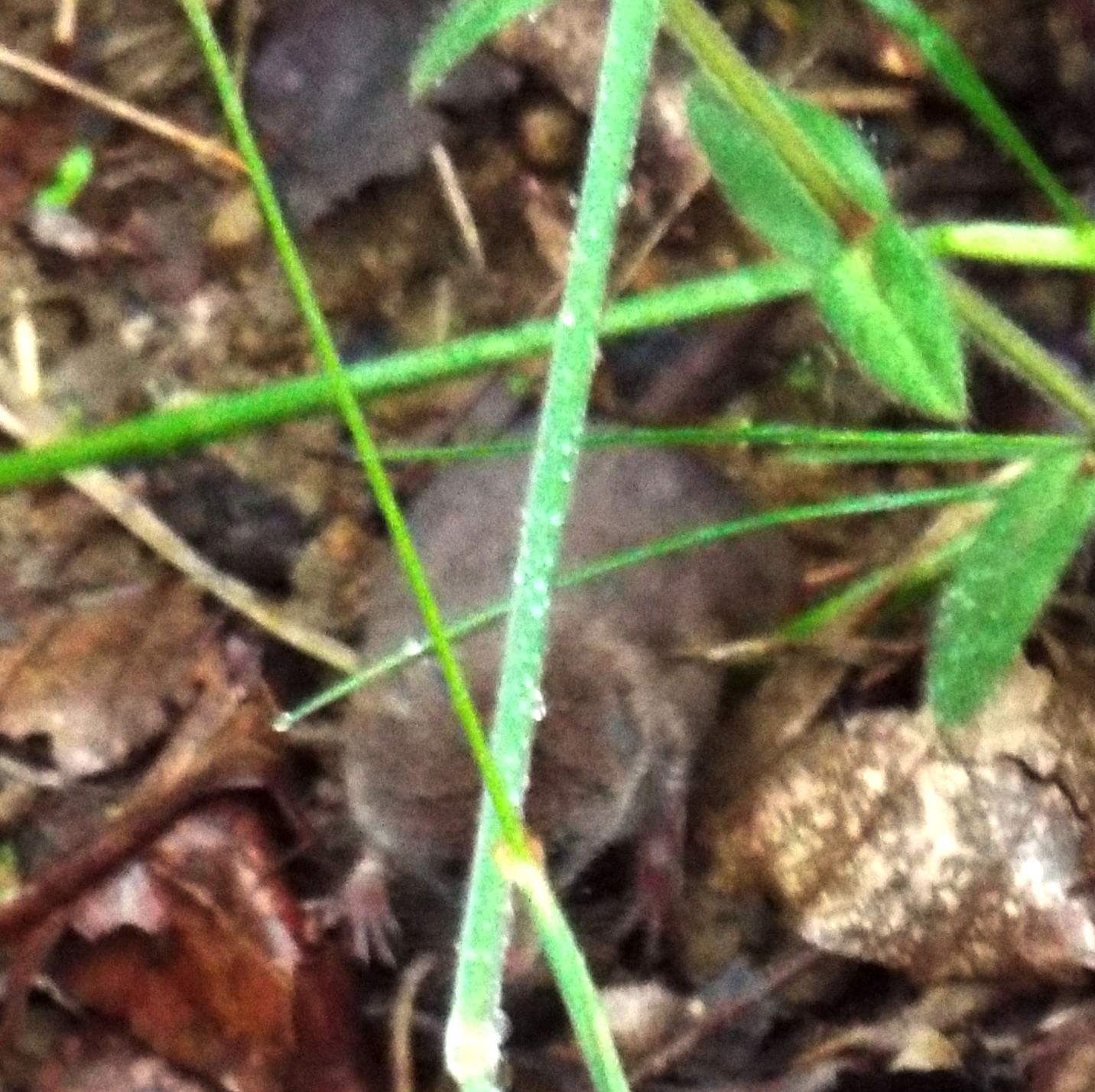
Adult Eurasian Pygmy Shrew (Sorex minutus) at Derwant Water Reservoir - July 2020

Featured Subspecies: N/A
Weight: 4g  /  Length: 5.7cm
UK STATUS NOT EVALUATEDIUCN Red List: Least Concern

The Pygmy Shrew is the smallest mammal found in the UK, but still a fairly voracious little predator - as with other shrew they are insectivores hunting invertibrates through the undergrowth. Despite this, they are actually fairly noisy and their presence can often be detected by angry sounding shrill squeaking. 

Related Species:
Order: Eulipotyphla
Family: Soricidae
Genus: Sorex
SUBSPECIES: none - monotypic 

 - Sighting Locations -
UNITED KINGDOM - A common and widespread resident.
 - Seen at Derwant Reservoir, .

Further Notes: BirdForum Opus, IUCN Red List, RSPB, Wikipedia, Xeno-canto
.